
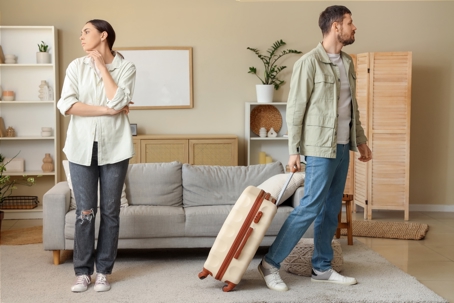
Exclusive Use and Occupancy of the Marital Residence in New York
One of the most common questions spouses ask when contemplating divorce is: “Can I make my spouse move out of the marital home?”
In New York, either spouse may request a court order granting exclusive use and occupancy of the marital residence while a divorce action is pending. If granted, this order permits one spouse to remain in the home while requiring the other spouse to vacate, even if both parties have ownership interests in the property.
However, simply filing for divorce does not give either spouse the automatic right to force the other to leave.
New York courts generally require more than marital disagreements, tension, or a breakdown in communication before granting exclusive occupancy. A spouse seeking this relief typically must demonstrate that continued occupancy by both parties presents a danger to persons or property, or that one spouse’s voluntary departure makes an order appropriate.
When evaluating such a request, courts may consider allegations of domestic violence, threats, harassment, the circumstances surrounding the parties’ living arrangements, and the potential impact of continued conflict on children residing in the home.
What Happens if Your Spouse Refuses to Leave?
If your spouse refuses to voluntarily vacate the marital residence, you may need to seek judicial intervention. Importantly, ownership of the home does not necessarily determine which spouse may be granted exclusive occupancy during the divorce proceedings.
Protecting Your Home, Your Children, and Your Rights
Whether you are seeking to remain in the marital home or defending against a request to vacate, understanding your legal rights before taking action is essential.
At The Meyers Law Group, P.C., we represent clients throughout Suffolk County, Nassau County, and Long Island in contested divorce, child custody, and complex matrimonial matters.